Sambrow Journal · Markham
Lymphatic Drainage vs Deep Tissue vs Swedish Massage: Light Is Not Weak
Different pressures, different target tissues, different problems solved — by Sambrow Markham
TL;DR
The most common complaint about lymphatic drainage is that it did not feel like enough, and that reaction comes from applying a deep tissue standard to a technique built on the opposite principle. Lymphatic capillaries sit just beneath the skin surface, anchored by filaments that open the vessel when the skin is gently stretched — and collapse under heavier pressure. So the correct pressure is roughly 5 to 30 grams, about the weight of a coin, and pressing harder makes it work less rather than more. Deep tissue uses sustained force of several kilograms to reach muscle and fascia. Swedish sits between them, aimed at relaxation and general circulation. This guide compares all three across pressure, direction, target tissue, evidence, and post-procedure suitability, so you book the mechanism that matches your problem. Our Markham lymphatic sessions run 2.5 hours from $288.
Manual Lymphatic Drainage
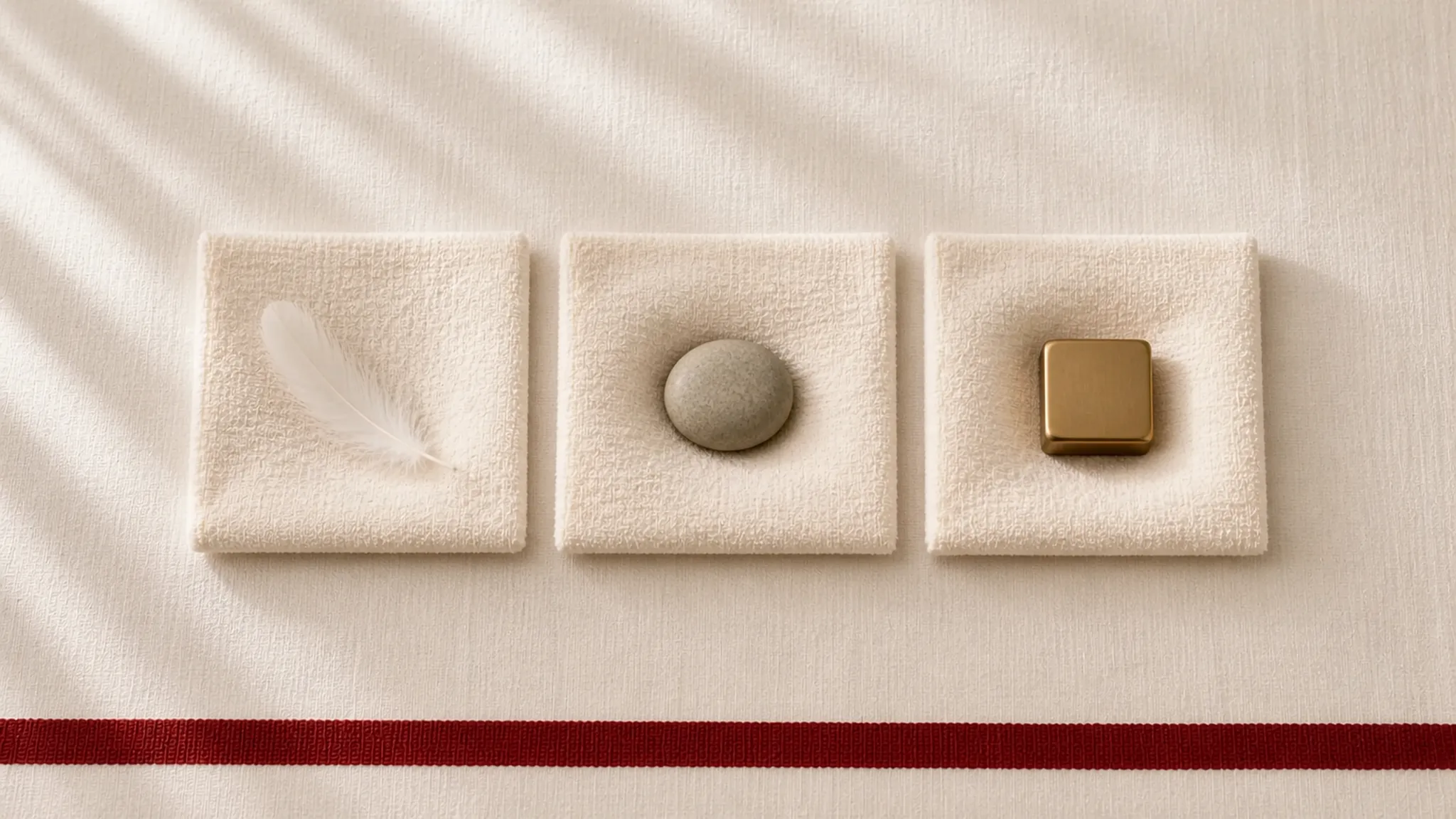
Feather-light, slow, directional work on the fluid sitting just under the skin — not a gentler version of massage but a different mechanism entirely.
- Best for
- Fluid retention and puffiness, post-procedure and post-surgical swelling, heaviness after sedentary days or long flights, and anyone who needs parasympathetic downregulation without deep pressure.
- Duration
- Visible de-puffing at the end of the session, holding 24–72 hours; cumulative change across 6–10 sessions holds 2–3 months
- Comfort
- 1 / 10 — clients frequently ask whether anything is happening
- Finish
- Visibly reduced swelling, lighter limbs, sharper facial contour, and a strongly downregulated nervous system
Pros
- + Strongest evidence base of the three in its specific applications — lymphedema management and post-surgical oedema
- + The only one of the three appropriate in the recovery window after cosmetic procedures, with correct timing
- + Visible result at the end of a single session, which is unusual in this field
- + No soreness afterwards, so it does not cost you the following day
- + Reliable parasympathetic activation without the nervous-system cost of working through discomfort
Cons
- − Feels like nothing to anyone expecting pressure, which causes people to undervalue it
- − Does not address muscular tension, knots, or adhesions at all
- − Effect on fluid is temporary and returns if sodium, sleep, and movement do not change
- − Has genuine contraindications — cardiac, renal, active infection, suspected clot
- − Quality varies enormously because sequence and direction matter more than they do in other modalities
Deep Tissue Massage
Sustained heavy pressure into muscle and fascia, working across fibre direction to change tissue that has become restricted.
- Best for
- Chronic muscular tension, restricted range of motion, postural strain from desk work, training-related tightness, and specific painful trigger points.
- Duration
- Relief typically holds several days to two weeks depending on whether the underlying cause is addressed
- Comfort
- 5–8 / 10 — genuinely uncomfortable in places, and that is inherent to the technique
- Finish
- Released tension, improved range of motion, and frequently 24–48 hours of soreness first
Pros
- + The only one of the three that reaches muscle and fascia in a meaningful way
- + Genuinely effective for chronic tension and restricted movement
- + Can address specific trigger points with precision
- + Well understood by most practitioners, so quality is more consistent than in lymphatic work
- + Often covered by extended health plans when delivered by a Registered Massage Therapist in Ontario
Cons
- − Post-treatment soreness for 24–48 hours is common and can cost you the next day
- − Actively counterproductive for fluid retention — heavy pressure collapses lymphatic capillaries
- − Contraindicated in the recovery window after most cosmetic procedures
- − Discomfort keeps the nervous system in a sympathetic state, so it is not reliably relaxing
- − Bruising is possible, particularly for anyone on anticoagulants
Swedish Massage
Moderate flowing strokes toward the heart, aimed at general relaxation and circulation rather than a specific tissue target.
- Best for
- General relaxation, stress relief, mild everyday tension, a first massage experience, or anyone who finds deep tissue too intense and lymphatic too subtle.
- Duration
- Relaxation effect lasting hours to a couple of days
- Comfort
- 2–4 / 10 — comfortable throughout by design
- Finish
- Relaxed, warm, loosened, and generally pleasant rather than specifically changed
Pros
- + Comfortable and accessible, with no learning curve for the client
- + Genuine nervous-system benefit through parasympathetic activation
- + Widely available across Markham and the GTA, and typically the least expensive of the three
- + No downtime and no soreness afterwards
- + A sensible default when you do not have a specific problem to solve
Cons
- − Not targeted enough for chronic muscular restriction
- − Not specific enough to move lymph effectively — the direction and sequence are not designed for it
- − Pressure and pace vary widely between practitioners under the same name
- − Effect is short-lived compared with either of the other two
- − Frequently sold as lymphatic drainage when it is not, which is worth knowing before you book
Pressure, Direction, Target — Side by Side
| Manual Lymphatic Drainage | Deep Tissue Massage | Swedish Massage | |
|---|---|---|---|
| Pressure applied | 5–30 grams — the weight of a coin | Several kilograms of sustained force | Moderate, roughly 1–2 kg |
| Target tissue | Lymphatic capillaries in the superficial dermis | Muscle bellies, fascia, and adhesions | Superficial muscle and general circulation |
| Direction of work | Strictly toward specific lymph nodes, in sequence | Across and along muscle fibres, direction set by the restriction | Generally toward the heart, following venous return |
| Pace | Very slow and rhythmic, matched to lymphatic flow | Slow and sustained, holding pressure at a point | Flowing and continuous at a moderate tempo |
| Solves | Fluid retention, swelling, post-procedure oedema | Muscular tension, restricted range of motion | General stress and mild everyday tension |
| Does not solve | Muscle knots or fascial restriction | Fluid retention — actively works against it | Anything specific in either direction |
| Soreness afterwards | None | Common, 24–48 hours | Rare |
| Safe after a cosmetic procedure | Yes, with correct timing per procedure | No, contraindicated in the recovery window | Not over or near the treated area |
| Evidence base | Strong for lymphedema and post-surgical oedema specifically | Reasonable for pain and range of motion | Reasonable for stress and relaxation outcomes |
| Typical GTA price | From $288 for a 2.5 hour session at Sambrow | $100–180 per hour | $90–150 per hour |
How to Choose — Read the Problem, Not the Pressure Preference
Choose Choose Manual Lymphatic Drainage
Choose this when the problem is fluid rather than muscle. The self-test costs nothing: photograph yourself after a normal night and again after a night of good sleep with low salt and no alcohol. If the second photograph looks noticeably better, a real share of what bothers you is fluid, and this is the only one of the three that addresses it. It is also the correct choice after cosmetic procedures with the right timing, and for the heaviness that builds after sedentary days or long-haul flights. Come expecting it to feel like almost nothing, because that is the technique working correctly rather than a practitioner holding back.
Choose Choose Deep Tissue Massage
Choose this when the problem is muscular: tension you can locate with a finger, restricted range of motion, postural strain from desk work, or tightness from training. Accept that it will be uncomfortable in places and that 24 to 48 hours of soreness afterwards is normal rather than a sign something went wrong. In Ontario, seeing a Registered Massage Therapist means the treatment may be covered by extended health plans, which is a practical advantage the other two often do not have. Do not book it for puffiness — heavy pressure collapses the vessels that would otherwise clear it.
Choose Choose Swedish Massage
Choose this when you do not have a specific problem to solve and the goal is genuinely rest. It is comfortable, accessible, widely available, and the least expensive of the three, and it delivers real nervous-system benefit through parasympathetic activation. Problems only arise when it is booked with a specific expectation attached — chronic tension needs deeper and targeted work, and fluid retention needs a technique whose direction and sequence are designed around the lymphatic system. Worth asking directly whether what is offered as lymphatic drainage is actually Swedish work under a more fashionable name.
Frequently Asked Questions
Why does lymphatic drainage feel like the therapist is barely touching me? +
Because that is the correct pressure, not a practitioner being cautious. Lymphatic capillaries sit just beneath the skin surface and are anchored by filaments that open the vessel when the skin is gently stretched. Heavier pressure compresses and collapses them, which means pressing harder actively reduces the effect rather than increasing it. This is the single most counterintuitive thing about the technique and the reason people who judge it by a deep tissue standard conclude it did nothing — while the measurable circumference change tells a different story.
Can I get deep tissue and lymphatic drainage in the same session? +
Generally not in the same session and not on the same area, because they work against each other. Deep tissue creates local inflammation and tissue disruption, which increases fluid in the area that lymphatic work is trying to clear. If you want both, separate them by at least a few days and do the lymphatic work second, so it addresses any post-deep-tissue inflammation rather than being undone by it. Some practitioners offer both within one appointment on different regions, which is more defensible than doing both on the same tissue.
Which is better for stress and anxiety? +
Lymphatic and Swedish both reliably activate the parasympathetic system, and lymphatic has an advantage that is easy to overlook. Deep tissue involves genuine discomfort, and discomfort keeps the nervous system in a sympathetic state during the treatment — you may feel relieved afterwards, but the session itself is not a downregulating experience. Slow, rhythmic, light contact over an extended period is closer to the ideal input for parasympathetic activation. That is why a 2.5 hour lymphatic session leaves most people considerably more settled than an hour of deep tissue.
Is Swedish massage sometimes sold as lymphatic drainage? +
Yes, and it is common enough to be worth checking before you book. Genuine manual lymphatic drainage follows a specific sequence — always opening the drainage points at the neck and above the collarbone before working anywhere else — uses a very light pressure, and moves toward specific node groups rather than generally toward the heart. If your session started at your legs, used moderate flowing pressure, and never worked your neck first, you had a Swedish massage. Ask what training the practitioner completed and whether they open proximally.
Which one is covered by insurance in Ontario? +
Coverage generally follows the practitioner's registration rather than the technique. Massage delivered by a Registered Massage Therapist is commonly claimable under extended health plans, whether the session is deep tissue, Swedish, or lymphatic in style. Lymphatic drainage delivered in a wellness or beauty studio by someone who is not an RMT is typically not claimable, and ours is not. If insurance coverage matters to you, ask about the practitioner's registration specifically rather than about the modality, because that is what determines it.
Which is best after a cosmetic procedure? +
Lymphatic drainage, unambiguously, and it is the only one of the three appropriate in that window. Deep tissue is contraindicated during recovery, and Swedish is not designed to move inflammatory oedema. But timing is the whole question and it differs by procedure — three to seven days after HIFU, not until the skin has closed after RF microneedling, two full weeks before any pressure over dermal filler, and written surgeon clearance for anything surgical. Our post-procedure guide sets out the interval for each treatment individually.
How often should I have lymphatic drainage compared with the others? +
It depends on the goal rather than the modality. For general maintenance, monthly suits most people across all three. For an active fluid retention problem, a course of six to ten sessions over six to ten weeks produces sustained change where singles do not, because a single session holds 24 to 72 hours. For post-surgical recovery, frequency comes from your surgeon and two to three sessions weekly for four to eight weeks is common. Deep tissue for a chronic issue is often weekly initially, then spaced out as the underlying cause is addressed.
Does Sambrow offer deep tissue or Swedish massage? +
No. Our Markham studio offers manual lymphatic drainage from $288 as a 2.5 hour session, alongside non-invasive facial programs from $980 and semi-permanent makeup. We do not offer deep tissue or Swedish work, and if your problem is muscular tension we will say so and suggest a Registered Massage Therapist instead — which also means your treatment may be claimable, which ours is not. Booking the wrong modality for your problem is the most common way people conclude massage did not work for them.